
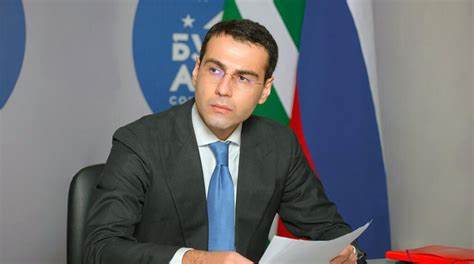
Inal Ardzinba: Back to 1937
05/02/2024 10:27:05 Conflicts
Recently, we wrote about the intense activity undertaken by the de facto Minister of Foreign Affairs of Abkhazia, Inal Ardzinba, aimed at discrediting international organizations that implement humanitarian and social projects for the benefit of populations affected by the conflict. Unfortunately, international organizations were not the only ones to fall within his field of attention. At the end of last year, a genuine campaign of harassment was launched against local non-governmental organizations, youth initiative groups, media outlets, individual journalists, and activists. And by an astonishing coincidence, all those who came under Mr. Ardzinba’s heavy hand had spoken quite openly against the ratification of the agreement on transferring the state dacha in Pitsunda to the Russian Federation.
Parallel to these processes, the newly appointed “foreign minister” Inal Ardzinba began his diplomatic career with harsh criticism of international organizations. He regularly summoned their representatives to the media center of the “ministry” and reprimanded them over projects which, in his view, “pose a threat to national security” and are “aimed at creating influence networks in Abkhazia.” Mr. Ardzinba evidently holds a high opinion of his compatriots—something we will see repeatedly. According to available information, he even demanded lists of citizens cooperating with UN agencies.
Alongside the demonization of international organizations, the “minister” actively promoted the adoption of the foreign agents bill, the discussion of which provoked an ambiguous reaction not only in public but also in political circles. For example, during hearings at the Public Chamber, the de facto Secretary of the Security Council, Sergei Shamba, noted that NGOs have played a major role in the history of modern Abkhazia and that this issue requires a special approach. Incidentally, as an experienced politician, Sergei Shamba—unlike the newly appointed diplomat Inal Ardzinba—understands very well the importance of NGOs in societal development. Back in 2020, in one of his interviews, he called them patriots and considered it inadvisable to adopt Russian legislation on foreign agents, especially since, in his firm conviction, there are no organizations working in the interests of other countries in Abkhazia.
In 2022, an attempt to impose the bill on Abkhaz society failed spectacularly, with public organizations playing a key role. But for how long?
Aslan Bzhania attempted to personally influence the increasingly tense situation. Back in early December of last year, he invited members of the youth movement “KharakhPitsunda” and unsuccessfully tried to convince them that handing Pitsunda over to Russia was necessary—as a sign of gratitude. It turned out to be not so easy to force young people to abandon their patriotic stance.
Following this, the de facto Security Service took action, openly accusing the youth movement—and along with it other public organizations—of expressing critical positions on a number of domestic political issues, even organizing street protests, with financial support from “unfriendly” and even “hostile” institutions (meaning UNDP, which has been implementing humanitarian projects in Abkhazia for decades). The administration of Aslan Bzhania also announced the threat of “color revolutions” allegedly instigated from outside through these very public organizations. In this way, the de facto authorities attempted to justify their unpatriotic decision regarding Pitsunda to the public by accusing the people themselves of a lack of patriotism—paradoxical as this may sound.
This time, however, in an effort to prove his professional usefulness to Moscow, Inal Ardzinba decided to go even further and accuse his own fellow citizens… of treason. On the page of one of his staff members, monetary transfers made by UNDP to representatives of non-governmental organizations within the framework of project implementation were published as “evidence” that these NGOs receive money “to destabilize the socio-political situation.” At the same time, personal information of specific individuals was published, including the amounts received and bank account numbers. This was followed by harsh attacks—more reminiscent of threats—against journalists and media outlets.
For greater persuasiveness, Inal Ardzinba enlisted Abkhaz diplomats abroad, who, citing examples of “democracies” in Syria and Venezuela, spoke in unison about the necessity of banning the functioning of NGOs. After all, they must somehow justify the funds received from the reserve fund.
Moreover, he banned projects of major international donors, thereby significantly cutting the lawful income of NGOs. But the most tragic consequence of this policy lies in the fact that many direct beneficiaries will be deprived of much-needed humanitarian and social support—support that local authorities, even with the greatest desire, are unable to provide to the population.
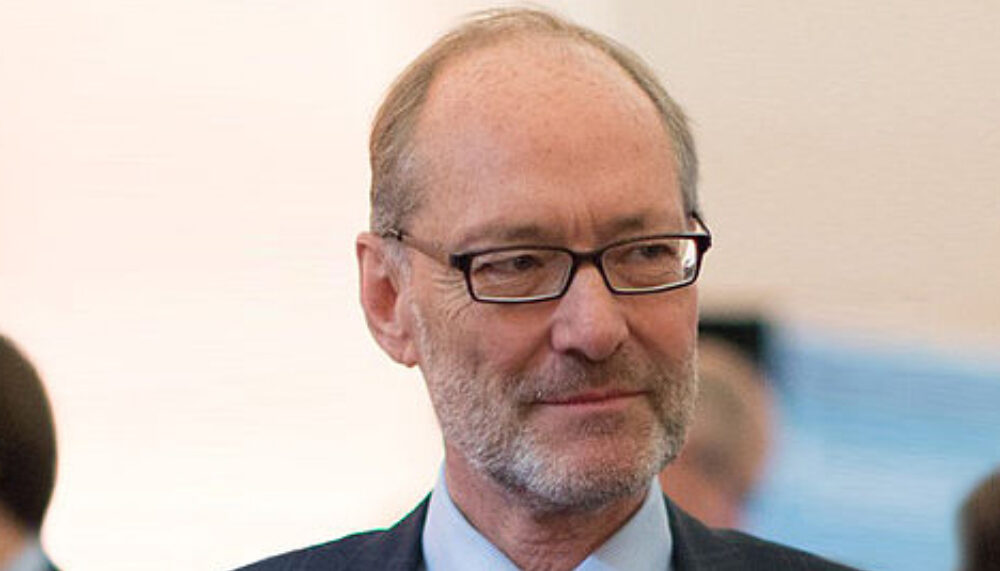
Another wave of anti-public hysteria followed immediately after a statement by the EU Special Representative for the South Caucasus and the crisis in Georgia, Toivo Klaar, who expressed bewilderment at the decision of the de facto government to restrict his visits to Sukhumi. As Klaar stated, such self-isolation of Abkhazia does not serve the interests, above all, of the local population.
Following this assessment by the special representative, a flood of angry statements came from colleagues of Inal Ardzinba. Only the laziest employees of the “Ministry of Foreign Affairs” refrained from speaking out. Under the leadership of the young “diplomat,” they rushed to label Toivo Klaar almost an enemy of the people, openly calling Abkhaz NGOs foreign agents in the process.
All of this unfolded against the background of information spreading about the imminent adoption of an even stricter foreign agents bill, under which this status would be assigned not only to legal entities but also to individuals. And according to all logic, the first person on this list should be Inal Ardzinba himself.
If one were to momentarily set aside the moral and legal aspects of such actions, an inevitable question arises: does this fall within the mandate of a “minister of foreign affairs”? After all, in theory, this agency should not—at least not so openly—interfere in domestic politics, especially in the activities of non-profit organizations and the expert community. Or is it that more competent institutions simply have no evidence against the slandered citizens, and so the ever-present Inal decided to personally administer “justice” by disseminating illegally obtained and clearly fabricated information?
And can you imagine what will happen if such a person is granted even greater authority amid the already established total control of the Kremlin over Abkhazia? Welcome back to 1937…
Gvantsa Pipia