

Developing Beyond Russia: Abkhazia’s Youth Dream of Living Differently
21/07/2020 12:55:05 Conflicts
A generation with no aspirations. People who do not know what they want. Quite often, this is how young people are described. And this judgment is not always fair. But in Abkhazia, a generation is indeed growing up without ambition—without striving for anything in particular. For the most part, representatives of the new generation who have finished school are largely indifferent to values that remain deeply important in Abkhaz society. Young people tend to value personal comfort more. At the same time, they show little interest in building careers or achieving significant goals. They are content with things as they are. Well—almost everything.
But are they the only ones to blame? For nearly 30 years, the younger generation in Abkhazia has rarely been remembered. Most often, they receive sudden “attention” and promises of “all kinds of benefits” on the eve of elections. Understandably so. The rest of the time—oblivion.
Although not entirely. Many years ago, the state suddenly grew concerned about the unfortunate situation of young people and “granted” them the opportunity to see the world—something like a student exchange program. But only a select few were included. For the majority of residents of Abkhazia aged 16 to 25, the project remained out of reach.
According to psychologists, in the years since the war, a generation of so-called “civilized hermits” has grown up—people who want nothing and believe in nothing. And yet, specialists note that “because of the many differing views on the same events, the younger generation has developed a need to determine for themselves what is true and what is not.”
“Modern Abkhaz youth differ significantly in their preferences and interests from those of 10–20 years ago. This is a new generation raised in new economic, social, and political conditions. The political situation in the country cannot fail to attract attention, so there is an increase in political awareness, expressed in intensive discussions of public issues,” says psychologist Anna T.
However, paradoxically, the state exercises fairly strict control over young people’s interest in new ideas. For example, any attempts to build closer ties with representatives of other countries or to participate in events held in Georgia, Turkey, the Czech Republic, or the United States are harshly prosecuted.
In this regard, the case of Abkhaz blogger David Gobechia and poet and publicist Dmitry Gabelia is very telling. Last year, at the height of the presidential election campaign, they crossed the Inguri River border to participate in several youth forums held in Georgia and Turkey. For several months, they traveled between Tbilisi and Istanbul, communicating with their peers and experiencing not the familiar Russian reality, but new European trends. Yet upon returning home, they faced criminal prosecution, which resulted in a suspended sentence and a criminal record. They were suspected of obtaining Georgian citizenship.
The investigation did not take into account Georgia’s peace initiative, “A Step to a Better Future,” which has been in effect for two years. Under this initiative, access to education does not require holding Georgian citizenship. A completely neutral mechanism has been created—registration using a personal identification number, enabling admission to universities and full funding based on an individual number issued on the basis of Abkhaz documents. In Georgia, personal numbers are assigned to all categories of individuals, including foreign citizens and stateless persons. Thus, Abkhaz youth who wish to study, develop, and achieve success outside Russia do not need to become Georgian citizens.
Read also: “Is Restricting Access to Quality Education Beneficial for Abkhaz Society?”
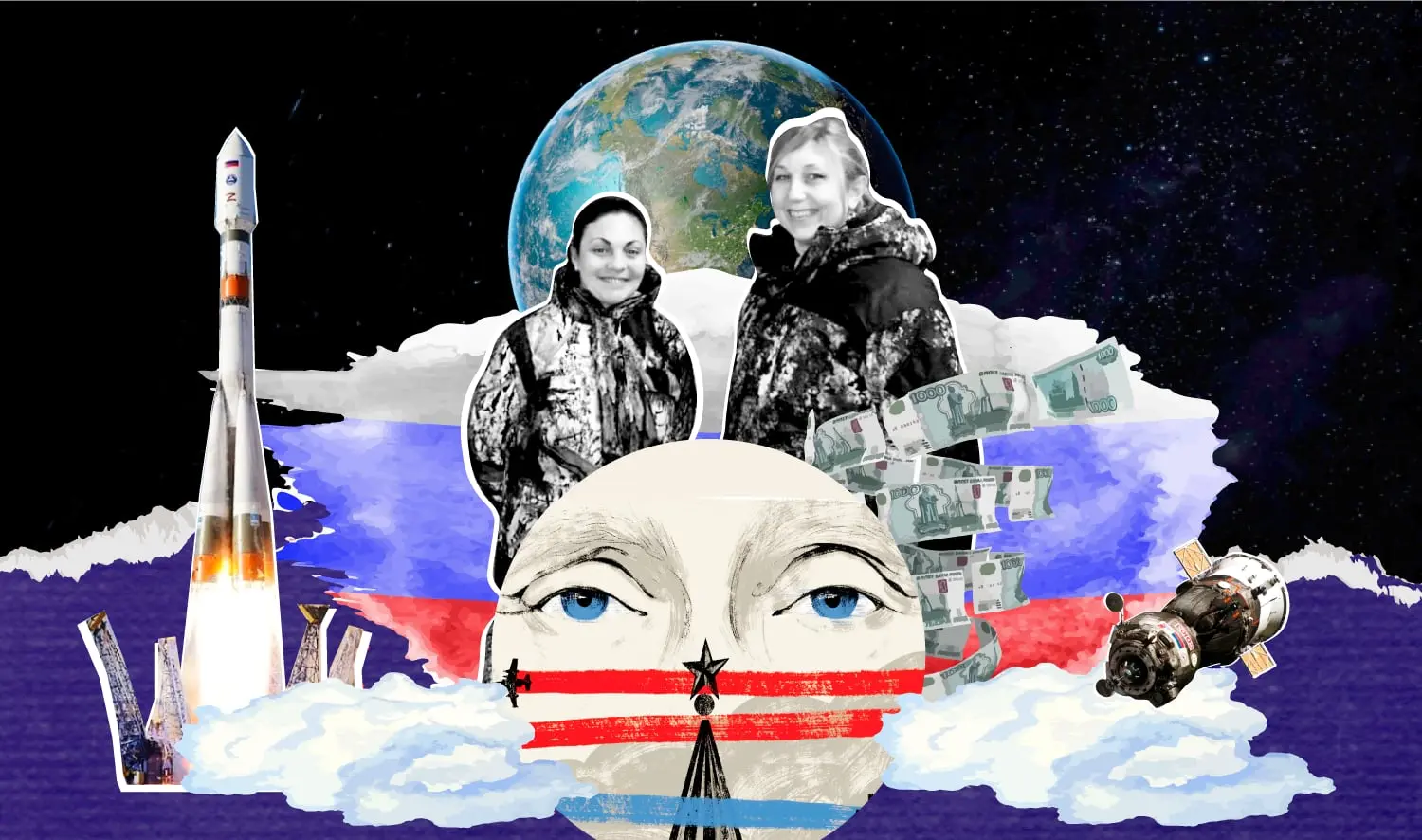
In the age of the Internet and high technology, when information flows are immense, young people in Abkhazia can see how their peers live and develop in other countries. And since interest in Russia has significantly weakened in this respect, the “strategic partner” has devised new methods of influencing young minds. When initial attempts to recruit Abkhaz youth en masse into the “love only Russia” camp proved unsuccessful, a project with the grand name “Pride of Abkhazia” was launched. There, impressionable young minds were influenced in a seemingly subtle and unobtrusive manner, so that participants would not immediately grasp the main objective (many still have not). And that objective is obvious: the proposal of joining Russia should be seen as the greatest benefit—“and in general, there is nothing wrong with Abkhazia becoming part of Russia.”
Day after day, a Russian State Counselor residing in Moscow—an Abkhaz by origin, Inal Ardzinba—captivated Abkhaz youth by demonstrating how “good life in Russia” can be. He presented himself as successful in Russia: educated, career-building, having reached great heights—and implied that anyone who looks exclusively toward Russia can achieve the same.
Advocates of these “grand” ideas were individuals previously little known in Abkhaz society. And youth—who essentially lack other avenues for self-realization—believed and followed.
“We were deprived of the right to a normal life, and apart from participating in this project, we have nothing left. Just look at it—what can a young man achieve in Abkhazia? Nothing. Everything is blocked everywhere. At least with this project, there is some kind of chance,” says Arkady B.
“What else is there to do? At least it gives us the opportunity to travel somewhere. What do we have here? Nowhere to go to the movies, no entertainment. Walk along the Gudauta waterfront day after day? It’s all grown tiresome. The same people, the same faces. There is no perspective,” says Alina Ch. from Gudauta.
For many Abkhaz youth, the dream of a full and normal life is fading before their eyes. Five or six years ago, the percentage of those wishing to live and work in Russia was very low. Today, that is no longer the case. Increasingly, one hears that continuing to survive on handouts from the strategic partner and “big friend” Russia is shameful—and that “becoming part of a large state is not merely an exit offered by a mighty country, but a chance, a stroke of luck that may never come again.”
In Abkhazia, the number of people who wish to develop within a new system of values is visibly decreasing. It may be premature to say that all is lost and there is no way back, as there are still young people who care deeply about the fate of their homeland. But the condition of isolation from the rest of the world, combined with targeted pro-Russian influence, may bear fruit. And the majority of Abkhaz youth—unaware of alternative ways of living—may soon find themselves trapped in circumstances from which escape will no longer be possible.
Astanda Bganba
The text contains toponyms and terminology used in the self-proclaimed Republic of Abkhazia.
The material was prepared within the framework of a joint project of the news agency “Accent” and the non-governmental organization GRASS, implemented with the financial support of the Embassy of the Czech Republic in Georgia.